

Hiring Professional Photographers for Events in 2026
Table of Contents
- What Corporate Event Photography Actually Covers
- Questions to Ask Event Photographers Before You Book
- Corporate Event Photography Pricing: What Drives the Number
- Build an Event Photography Shot List Template That Works
- How to Make Corporate Headshots Look Natural
- How to Vet Event Photographers for Brand Fit
- Booking Timeline and Delivery Expectations
- Frequently Asked Questions
Last Updated: September 24, 2026
What Corporate Event Photography Actually Covers
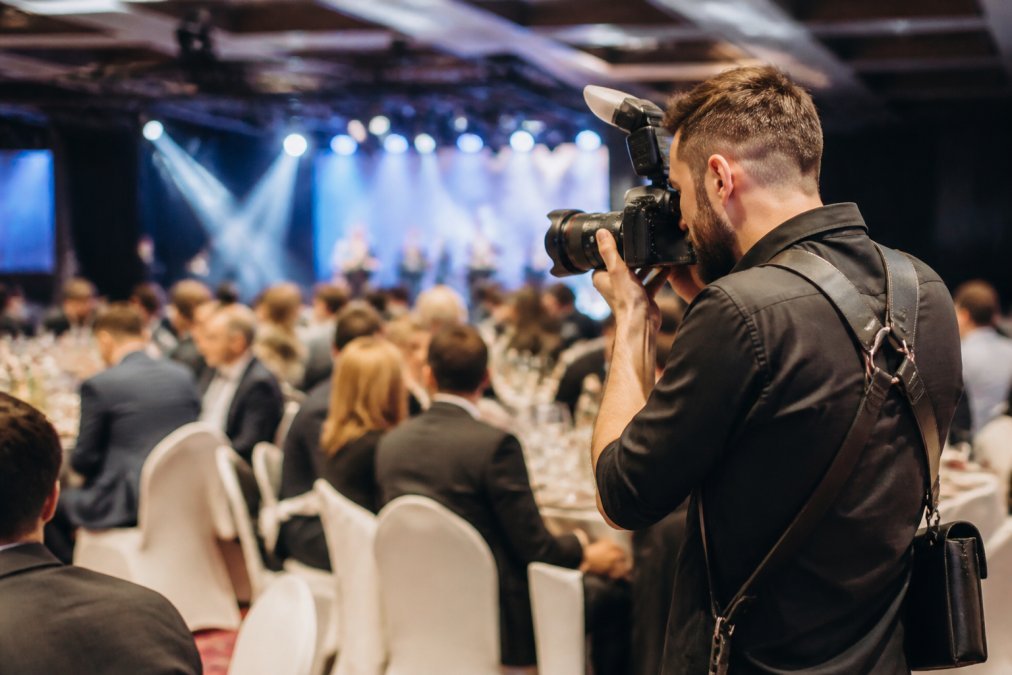
Hiring professional photographers for events means securing coverage of the moments your brand cannot recreate: keynote speakers mid-gesture, handshakes at the registration desk, candid reactions during a product reveal. This guide from BLACKWATER Promotions breaks down what that coverage includes and how to choose a partner who captures your brand rather than generic conference filler.
Corporate event photography is the planned capture of a business gathering, including speakers, attendees, venue details, and candid interactions, for use in marketing, recruiting, and internal communications. The scope typically spans three categories:
- Documentation: stage shots, signage, sponsor banners, and room layouts
- People: headshots, candids, group photos, and award moments
- Brand assets: product displays, hospitality scenes, and social-ready verticals
What separates a strong portfolio from a weak one is intent. A photographer who understands your campaign goals shoots for the crops you will actually use. If you want to see how a full production partner handles this, BLACKWATER Promotions approaches each event with a creative brief before anyone picks up a camera.
Questions to Ask Event Photographers Before You Book
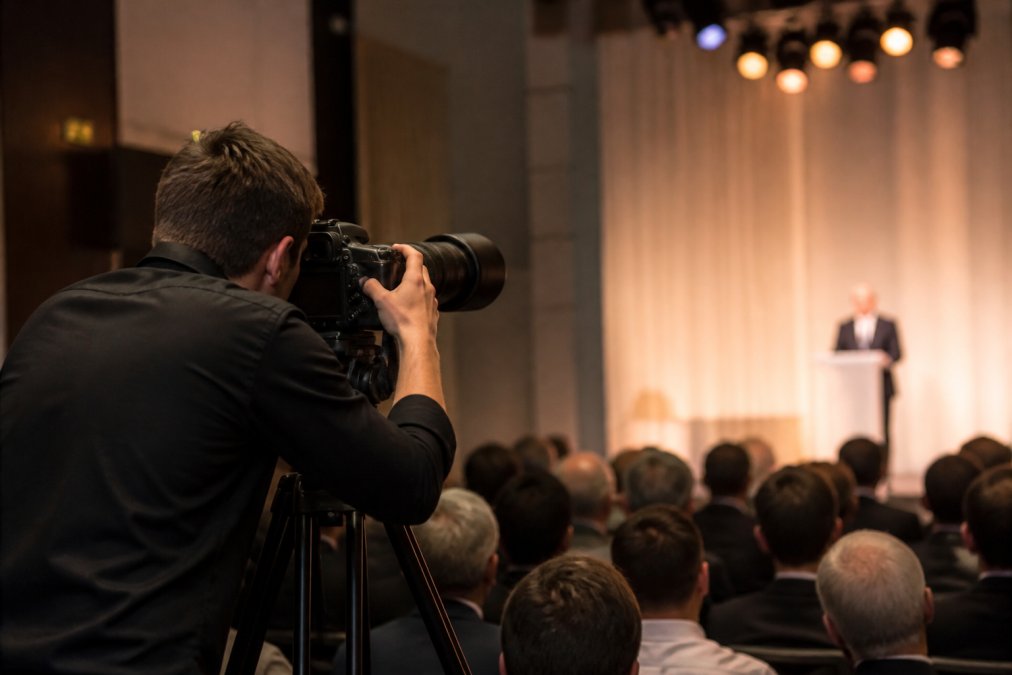
The right questions reveal how a photographer thinks, not just what gear they own. Ask these before any contract is signed, and listen for specifics rather than reassurances.
Key questions to ask event photographers include:
- How many shooters will cover my event, and what is the backup plan if one calls out sick?
- What is your turnaround time for a preview gallery versus final edits?
- Do you carry liability insurance and backup equipment?
- Who owns the images, and what usage rights are included?
- Can you share a full gallery from a similar event, not just a highlight reel?
That last one matters most. Highlight reels hide weak coverage. A full gallery shows whether the photographer consistently nails exposure in a dim ballroom and whether they capture enough variety to fill a campaign.
Ask for the RAW count from a past event of similar size. A photographer who delivers 200 usable images from a 400-person conference is telling you something a polished portfolio never will.
Corporate Event Photography Pricing: What Drives the Number
Corporate event photography pricing depends on coverage hours, number of photographers, editing turnaround, and usage rights. Two events with identical headcounts can differ significantly in cost because the variables that matter are time and scope.
The biggest cost drivers are:
| Factor | What It Changes | Typical Impact |
|---|---|---|
| Coverage hours | Half-day vs. full-day vs. multi-day | Primary driver |
| Number of shooters | Single vs. two or three | Scales with event size |
| Editing turnaround | Standard vs. rush delivery | Adds surcharge |
| Usage rights | Internal vs. paid media | Licensing tier |
| Travel and setup | Local vs. out-of-area venue | Added line item |
Pricing for services like these depends on quantity, dates, and delivery, so request a quote rather than assuming a number. According to U.S. Small Business Administration guidance on vendor contracts, written agreements that spell out deliverables and timelines prevent most billing disputes. Get scope in writing before you compare bids.
Build an Event Photography Shot List Template That Works
An event photography shot list template prevents the single most common failure: a photographer who leaves before the CEO takes the stage because nobody told them it mattered. Build the list with your marketing team, not just the event planner.
Use this structure:
- Venue exterior and signage, before guests arrive
- Registration desk and welcome moments
- Keynote speaker, wide and tight
- Audience reactions during sessions
- Sponsor and partner branding in context
- Networking and break conversations
- Award or recognition moments
- Executive headshots, if scheduled
- Detail shots: food, decor, product displays
- Group photo of the full team or attendees
Mark each item with a priority: must-have, nice-to-have, or bonus. A common mistake is treating every shot as critical, which pushes photographers to rush the moments that actually matter.
Skipping the priority column means your photographer guesses what matters. When time runs short, they cut the shots you needed most for the campaign.
How to Make Corporate Headshots Look Natural
Natural-looking corporate headshots come from direction and environment, not expensive gear. The stiff, deer-in-headlights look happens when subjects are posed rigidly against a blank wall under flat lighting.
Three fixes that work:
- Movement over posing. Ask subjects to shift their weight or turn slightly between frames. Static posture reads as tense.
- Real environments. Shoot in the actual office or venue rather than a seamless backdrop. Context relaxes people.
- Conversation, not commands. A photographer who chats through the session gets genuine expressions. Silence produces the corporate grimace everyone recognizes.
If your team gets uncomfortable on camera, say so upfront. At BLACKWATER Promotions, we build in warm-up frames so the first ten shots absorb the nerves and the real portraits come later. Consistency across a group of fifteen people depends on locking the same lighting and framing for everyone, which is a planning decision, not a post-production one.
How to Vet Event Photographers for Brand Fit
Brand fit is the difference between images that could belong to any company and images that could only belong to yours. Vet for it the same way you would vet a creative agency.
Ask to see work in your industry, then look past the subjects to the color grading, composition, and energy. Does it match your brand’s visual language? A fintech conference and a restaurant launch need different instincts.
A few signals that separate a real fit from a generic vendor:
- They ask about your campaign before quoting a price
- They reference specific past work relevant to your sector
- They propose a creative direction, not just a coverage package
- They name their editing workflow and delivery timeline without hedging
The Better Business Bureau’s guidance on checking vendor credentials is a reasonable starting point for verifying a company’s standing before you commit. Beyond that, trust the portfolio and the conversation.
Booking Timeline and Delivery Expectations
Book event photographers four to eight weeks before your event for standard coverage, and earlier for large conferences or peak seasons. Timeline is where projects slip, so agree on dates in writing.
A realistic schedule looks like this:
- 4-8 weeks out: contract signed, shot list drafted
- 1-2 weeks out: logistics call, venue walkthrough if possible
- Event day: full coverage per the agreed list
- 48-72 hours: preview gallery for social and press
- 1-3 weeks: fully edited final delivery
Rush turnarounds are usually available for an added fee, but the honest answer is that quality editing takes time. If you need assets in six weeks, book now and flag the deadline at kickoff, not after the event.
The two dates that protect your project are the booking date and the final delivery date. Everything between them is negotiable; those two are not.
Marketing directors juggle vendor relationships, internal stakeholders, and campaign deadlines, and photography is often the piece that slips. BLACKWATER Promotions handles corporate film and photography with a collaborative process, from creative brief through final delivery, so your team gets high-quality visual content without managing a dozen moving parts. Our efficient production workflow and customized creative solutions are built for mid-market teams that need results, not excuses. Engage us and let’s capture your next event properly.
Frequently Asked Questions
What should I look for when hiring a professional event photographer?
Look for a portfolio that matches your event type, not just pretty images. Ask about backup equipment, insurance, and how they handle low-light venues. Confirm they have shot corporate events of similar size. Check references from event managers, and ask how they deliver files, how fast, and in what format. A photographer who asks about your brand guidelines and shot priorities before quoting is usually the safer hire.
How much does it cost to hire a professional photographer for an event?
Corporate event photography pricing depends on hours of coverage, number of photographers, location, editing turnaround, and usage rights. A two-hour reception costs less than a full-day conference with two shooters. Ask for a line-item quote covering coverage time, editing, delivery format, and licensing. Request a custom quote based on your event date, venue, and deliverables so you can compare bids fairly.
What questions should I ask a photographer before hiring them for an event?
Ask about their experience with events like yours, backup gear, insurance, and how they handle unexpected lighting or schedule changes. Confirm who owns the images, how long they retain files, and what editing is included. Ask for a sample delivery timeline and whether they have worked at your venue. Also ask how they coordinate with your event planner or AV team on the day.
How far in advance should I book a professional event photographer?
For corporate events, book four to eight weeks ahead for standard coverage. Peak seasons and large conferences with multiple shooters can require two to three months. If your event falls near holidays or major industry gatherings, start earlier. Booking early also gives you time to review shot lists, schedule a pre-event walkthrough, and confirm headshot sessions for speakers or executives.